How Uganda Travel Industry Gives Back to Nature
 admin
February 12, 2026
admin
February 12, 2026
admin
February 12, 2026
admin
February 12, 2026
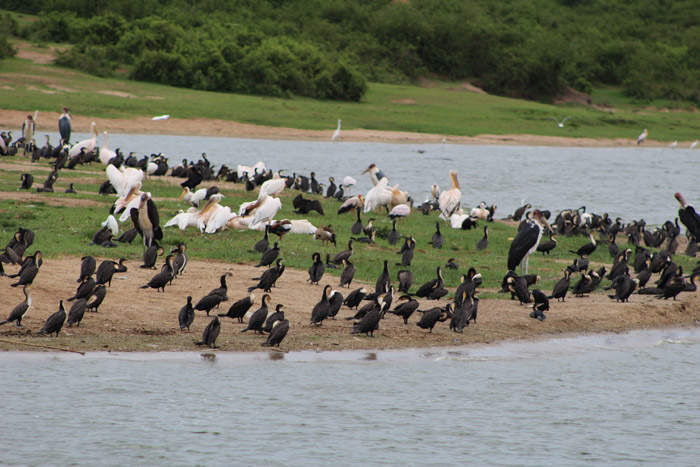 Uganda is often called the Pearl of Africa because of its green hills, wide savannahs, thick rainforests, and shining lakes. Tourists come from all over the world to see mountain gorillas in Bwindi, lions in Queen Elizabeth National Park, and the powerful Murchison Falls. But behind every safari car rental Uganda, lodge, and tour guide, there is a bigger story. Uganda’s travel industry is not only about showing visitors beautiful places. It is also about protecting nature and supporting the communities that live close to wildlife.
Over the years, the tourism sector in Uganda has become one of the strongest supporters of conservation. From national park fees to eco-friendly lodges and community projects, the industry plays an important role in giving back to nature.
Supporting National Parks Through Tourism Revenue
One of the main ways the travel industry gives back to nature is through park fees and permits. Every tourist who visits a national park in Uganda pays an entrance fee. Those who go gorilla trekking or chimpanzee tracking pay special permit fees. This money is collected by the Uganda Wildlife Authority and used to protect wildlife and manage national parks.
For example, gorilla trekking permits are expensive compared to regular park entry tickets. However, the money helps fund ranger patrols, veterinary care for gorillas, and anti-poaching activities. Rangers work day and night to make sure animals are safe from illegal hunters. Without tourism revenue, it would be very difficult to protect endangered species like mountain gorillas.
Tourism also helps maintain roads inside parks, build ranger posts, and support research programs. This means that every traveler who books a safari, including those enjoying self-drive safaris across Uganda’s national parks, is directly contributing to conservation efforts.
Fighting Poaching and Wildlife Crime
Poaching has been a serious problem in many African countries. Uganda is no exception. In the past, animals like elephants and rhinos were hunted for ivory and horns. However, tourism has helped reduce this threat.
When communities see that wildlife brings income through tourism, they are more likely to protect it. Lodges, tour companies, and guides depend on healthy wildlife populations. As a result, they work closely with park authorities to report suspicious activities.
Tourism money also helps pay for and train rangers. Well-trained rangers patrol protected areas and remove illegal traps set for animals. In places like Murchison Falls and Queen Elizabeth National Park, strong partnerships between conservation groups and the travel industry have helped reduce poaching.
The return of rhinos to Ziwa Rhino Sanctuary is another example. Tourism has helped fund the protection and breeding of rhinos, with the hope that they will one day return to the wild in Uganda’s national parks.
Promoting Eco-Friendly Lodges and Camps
Many safari lodges in Uganda are built with nature in mind. Instead of cutting down large areas of forest, eco-lodges are designed to blend into the environment. Some use solar power for electricity and heat water using solar energy. Others collect rainwater and reduce plastic waste.
These eco-friendly practices reduce the impact of tourism on the environment. For example, lodges near Bwindi Impenetrable Forest use local materials like wood and stone. They employ local workers and buy food from nearby farmers. This reduces transport pollution and supports the local economy.
Some camps limit the number of guests they host at a time. This reduces pressure on the environment and ensures that wildlife is not disturbed. Responsible tour operators also teach visitors about respecting nature, such as keeping a safe distance from animals and not littering in parks.
Empowering Local Communities
Nature conservation cannot succeed without the support of local communities. Many people living near national parks once depended on forests for firewood, hunting, and farming. When parks were created, access to these resources was limited. Tourism has helped provide alternative sources of income.
Today, many local people work as guides, lodge staff, drivers, and craft sellers. Cultural tourism projects allow visitors to experience traditional dances, food, and storytelling. A percentage of park fees is also shared with surrounding communities. This money is used to build schools, health centers, and water projects.
In areas around Bwindi and Mgahinga, community groups run handicraft shops and cultural villages. Visitors who come for gorilla trekking often buy handmade baskets and souvenirs. This gives families a steady income and reduces the need to depend on forest resources.
By creating jobs and opportunities, the travel industry helps communities see wildlife as a valuable asset rather than a threat.
Encouraging Sustainable Travel Practices
Tour operators in Uganda are increasingly promoting responsible tourism. This includes small group safaris, guided nature walks, and educational tours. Travelers are encouraged to respect wildlife rules, avoid single-use plastics, and support local businesses.
Uganda self-drive safaris are also becoming popular among independent travelers. When managed responsibly, these trips allow visitors to explore Uganda at their own pace while still following park guidelines. Clear rules about speed limits, staying on marked tracks, and proper waste disposal help protect wildlife habitats.
Some companies also organize tree planting activities as part of safari experiences. Visitors can plant a tree to help restore degraded land. This creates a personal connection between travelers and the environment.
Protecting Endangered Species
Uganda is home to several endangered species, including mountain gorillas, chimpanzees, and shoebill storks. The travel industry plays a key role in their survival.
Gorilla tourism is one of the best examples of conservation success. In the past, mountain gorillas were close to extinction. Today, their numbers have increased partly because of strict protection funded by tourism. Veterinary teams monitor gorilla families and treat injured or sick individuals.
Chimpanzee tracking in Kibale Forest also supports conservation. Funds from permits help protect forest habitats and support research on primates. Birdwatching tourism has created awareness about rare bird species and the importance of wetland protection.
Because wildlife attracts tourists, there is a strong reason to keep habitats safe and healthy.
Supporting Conservation Education
Another important contribution of the travel industry is conservation education. Many lodges and tour companies provide information to guests about Uganda’s ecosystems and wildlife. Guides are trained to explain animal behavior, plant species, and conservation challenges.
Schools near national parks sometimes receive support from tourism companies. Conservation clubs teach children the value of protecting wildlife. When young people understand the benefits of tourism, they grow up with a positive attitude toward nature.
International partnerships between Ugandan tour operators and conservation organizations also help raise global awareness about protecting endangered species.
Reducing Human Wildlife Conflict
In some areas, wildlife can damage crops or threaten livestock. This can create tension between communities and park authorities. Tourism revenue has helped reduce these conflicts.
For example, funds are sometimes used to build trenches or fences around park boundaries to prevent animals from entering farms. Community projects also provide compensation or alternative livelihoods for affected families.
When people benefit from tourism, they are more willing to work together to find peaceful solutions.
A Shared Responsibility for the Future
Uganda’s travel industry understands that its success depends on healthy ecosystems. Without forests, rivers, and wildlife, there would be no safaris, no gorilla trekking, and no nature experiences to offer visitors.
The partnership between tourism, conservation agencies, and local communities has created a model where travel supports environmental protection. While challenges such as climate change and population growth remain, the progress made so far is encouraging.
Every time a traveler books a safari, stays in an eco-lodge, or explores the country’s parks, they become part of this conservation story. The Uganda travel industry continues to prove that tourism, when managed responsibly, can protect nature instead of harming it.
In this way, Uganda is not only welcoming visitors to discover its beauty. It is also showing how travel can be a powerful force for protecting the natural world for future generations.